1. Molecular Framework and Physical Characteristic
1.1 Chemical Make-up and Polymer Style
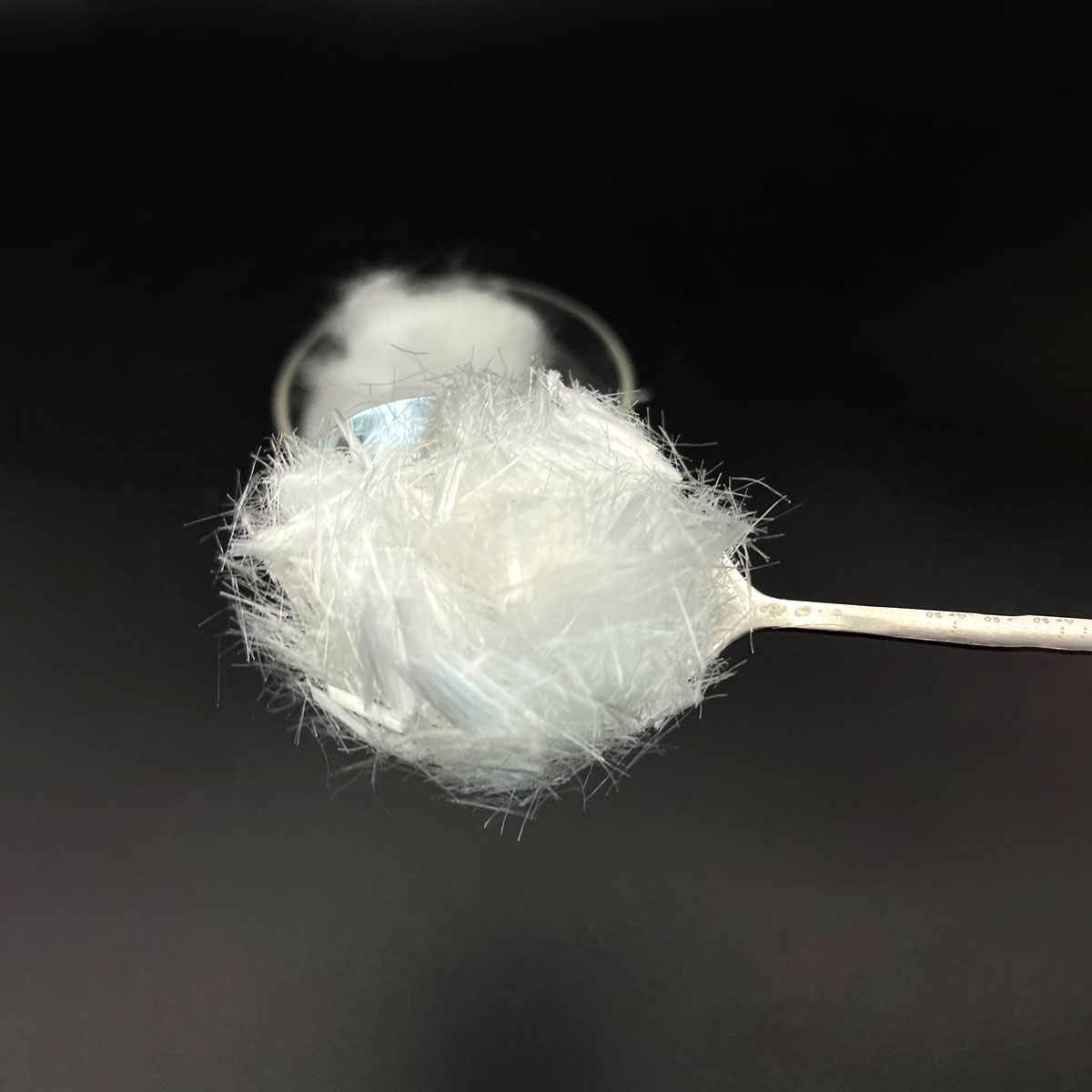
(PVA Fiber)
Polyvinyl alcohol (PVA) fiber is a synthetic polymer derived from the hydrolysis of polyvinyl acetate, causing a linear chain composed of repeating–(CH ₂– CHOH)– units with differing degrees of hydroxylation.
Unlike a lot of artificial fibers produced by direct polymerization, PVA is typically made using alcoholysis, where plastic acetate monomers are very first polymerized and then hydrolyzed under acidic or alkaline conditions to change acetate groups with hydroxyl (– OH) functionalities.
The degree of hydrolysis– varying from 87% to over 99%– seriously affects solubility, crystallinity, and intermolecular hydrogen bonding, thereby determining the fiber’s mechanical and thermal habits.
Totally hydrolyzed PVA exhibits high crystallinity because of extensive hydrogen bonding in between nearby chains, causing exceptional tensile stamina and minimized water solubility compared to partially hydrolyzed kinds.
This tunable molecular style enables specific design of PVA fibers to meet details application demands, from water-soluble momentary supports to long lasting architectural supports.
1.2 Mechanical and Thermal Features
PVA fibers are renowned for their high tensile strength, which can go beyond 1000 MPa in industrial-grade variants, matching that of some aramid fibers while keeping greater processability.
Their modulus of elasticity varieties between 3 and 10 GPa, giving a favorable equilibrium of tightness and adaptability ideal for textile and composite applications.
A vital differentiating feature is their phenomenal hydrophilicity; PVA fibers can absorb up to 30– 40% of their weight in water without liquifying, depending upon the level of hydrolysis and crystallinity.
This home enables quick moisture wicking and breathability, making them optimal for medical fabrics and hygiene products.
Thermally, PVA fibers exhibit excellent security as much as 200 ° C in dry problems, although extended exposure to warm causes dehydration and staining due to chain destruction.
They do not thaw but decay at raised temperature levels, releasing water and developing conjugated frameworks, which restricts their usage in high-heat settings unless chemically modified.
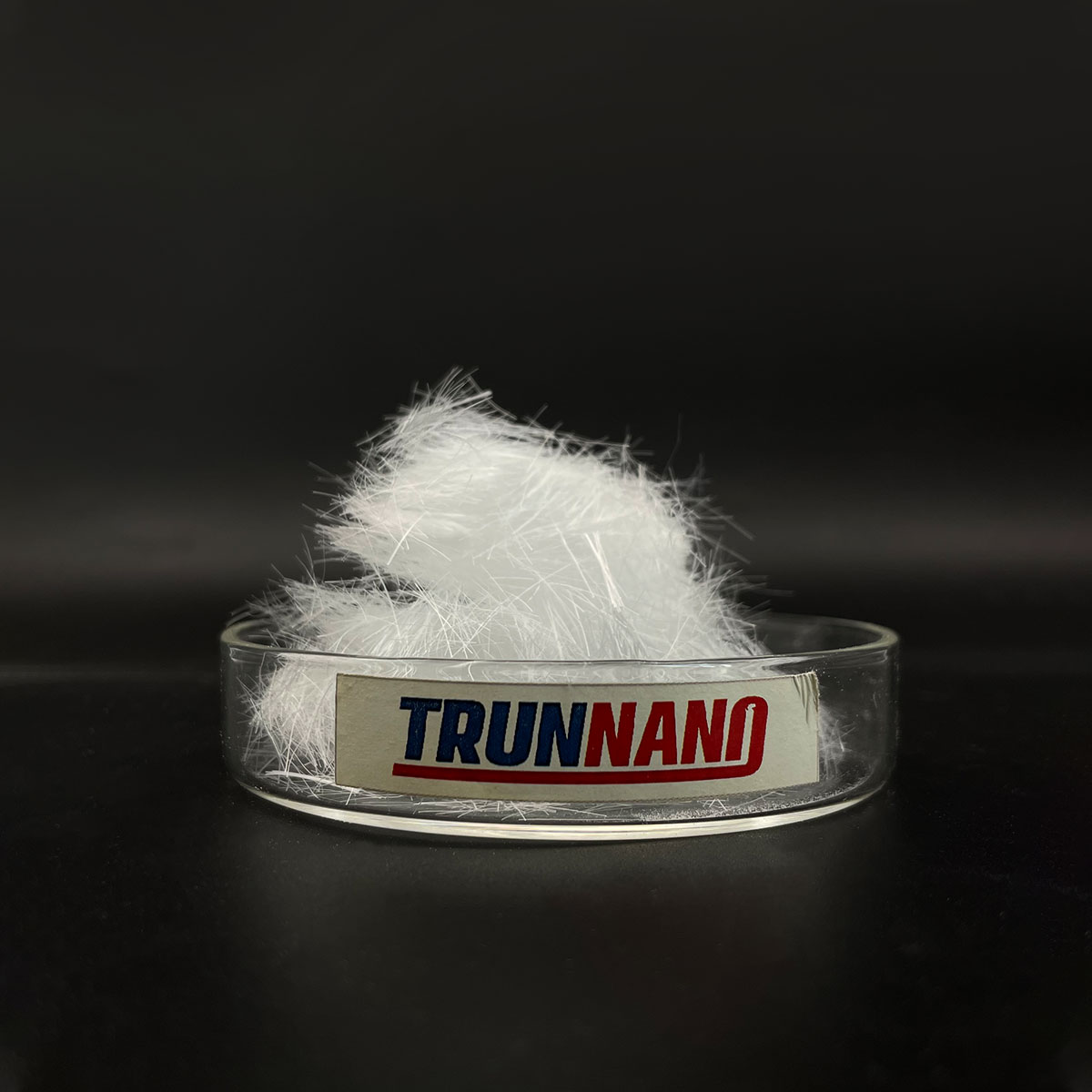
( PVA Fiber)
2. Production Processes and Industrial Scalability
2.1 Damp Spinning and Post-Treatment Techniques
The key approach for producing PVA fibers is wet spinning, where a concentrated liquid remedy of PVA is extruded via spinnerets into a coagulating bath– typically including alcohol, not natural salts, or acid– to speed up solid filaments.
The coagulation procedure regulates fiber morphology, size, and alignment, with draw ratios during spinning influencing molecular alignment and ultimate toughness.
After coagulation, fibers go through numerous drawing phases in hot water or vapor to improve crystallinity and alignment, substantially boosting tensile homes through strain-induced crystallization.
Post-spinning therapies such as acetalization, borate complexation, or warm treatment under stress even more customize efficiency.
As an example, therapy with formaldehyde produces polyvinyl acetal fibers (e.g., vinylon), enhancing water resistance while keeping stamina.
Borate crosslinking produces reversible networks useful in clever fabrics and self-healing products.
2.2 Fiber Morphology and Useful Adjustments
PVA fibers can be engineered right into numerous physical kinds, consisting of monofilaments, multifilament yarns, brief staple fibers, and nanofibers created via electrospinning.
Nanofibrous PVA floor coverings, with diameters in the series of 50– 500 nm, deal very high surface area-to-volume ratios, making them outstanding candidates for purification, medicine delivery, and tissue design scaffolds.
Surface area alteration methods such as plasma treatment, graft copolymerization, or finishing with nanoparticles make it possible for tailored performances like antimicrobial activity, UV resistance, or enhanced bond in composite matrices.
These alterations broaden the applicability of PVA fibers beyond traditional usages right into sophisticated biomedical and environmental modern technologies.
3. Practical Characteristics and Multifunctional Actions
3.1 Biocompatibility and Biodegradability
One of the most substantial advantages of PVA fibers is their biocompatibility, enabling risk-free usage in direct call with human tissues and liquids.
They are commonly employed in medical stitches, injury dressings, and artificial body organs due to their safe degradation products and minimal inflammatory action.
Although PVA is naturally immune to microbial attack, it can be provided naturally degradable with copolymerization with eco-friendly units or enzymatic treatment utilizing bacteria such as Pseudomonas and Bacillus species that produce PVA-degrading enzymes.
This dual nature– persistent under regular conditions yet degradable under controlled biological environments– makes PVA appropriate for momentary biomedical implants and green packaging services.
3.2 Solubility and Stimuli-Responsive Behavior
The water solubility of PVA fibers is a distinct practical quality exploited in varied applications, from short-lived fabric supports to controlled release systems.
By changing the degree of hydrolysis and crystallinity, suppliers can tailor dissolution temperature levels from area temperature level to over 90 ° C, making it possible for stimuli-responsive habits in wise materials.
For example, water-soluble PVA strings are used in embroidery and weaving as sacrificial supports that dissolve after processing, leaving intricate material structures.
In agriculture, PVA-coated seeds or plant food pills launch nutrients upon hydration, boosting effectiveness and decreasing overflow.
In 3D printing, PVA functions as a soluble assistance product for complex geometries, dissolving easily in water without damaging the key framework.
4. Applications Across Industries and Emerging Frontiers
4.1 Fabric, Medical, and Environmental Uses
PVA fibers are extensively used in the textile market for creating high-strength fishing webs, commercial ropes, and combined fabrics that boost durability and moisture management.
In medication, they develop hydrogel dressings that keep a damp injury setting, promote healing, and reduce scarring.
Their capability to form clear, versatile movies likewise makes them ideal for call lenses, drug-eluting spots, and bioresorbable stents.
Eco, PVA-based fibers are being developed as alternatives to microplastics in cleaning agents and cosmetics, where they liquify entirely and avoid lasting contamination.
Advanced purification membranes incorporating electrospun PVA nanofibers properly record fine particulates, oil beads, and also infections because of their high porosity and surface functionality.
4.2 Support and Smart Material Assimilation
In construction, short PVA fibers are included in cementitious composites to boost tensile toughness, fracture resistance, and effect toughness in engineered cementitious compounds (ECCs) or strain-hardening cement-based products.
These fiber-reinforced concretes show pseudo-ductile actions, with the ability of holding up against significant contortion without catastrophic failure– perfect for seismic-resistant structures.
In electronics and soft robotics, PVA hydrogels work as adaptable substrates for sensors and actuators, reacting to humidity, pH, or electrical areas via reversible swelling and shrinking.
When combined with conductive fillers such as graphene or carbon nanotubes, PVA-based compounds function as stretchable conductors for wearable gadgets.
As study advancements in sustainable polymers and multifunctional materials, PVA fibers remain to become a versatile platform bridging efficiency, safety and security, and ecological duty.
In summary, polyvinyl alcohol fibers represent a special class of synthetic materials combining high mechanical performance with outstanding hydrophilicity, biocompatibility, and tunable solubility.
Their adaptability throughout biomedical, commercial, and ecological domain names emphasizes their critical function in next-generation product scientific research and lasting technology advancement.
5. Distributor
Cabr-Concrete is a supplier under TRUNNANO of Calcium Aluminate Cement with over 12 years of experience in nano-building energy conservation and nanotechnology development. It accepts payment via Credit Card, T/T, West Union and Paypal. TRUNNANO will ship the goods to customers overseas through FedEx, DHL, by air, or by sea. If you are looking for pva fiber reinforced concrete frp bars ductility, please feel free to contact us and send an inquiry.
Tags: pva fiber,polyvinyl alcohol fiber, pva concrete
All articles and pictures are from the Internet. If there are any copyright issues, please contact us in time to delete.
Inquiry us